Oil prices fall on apparent easing global tensions, taking Canadian producers, drivers along for ride
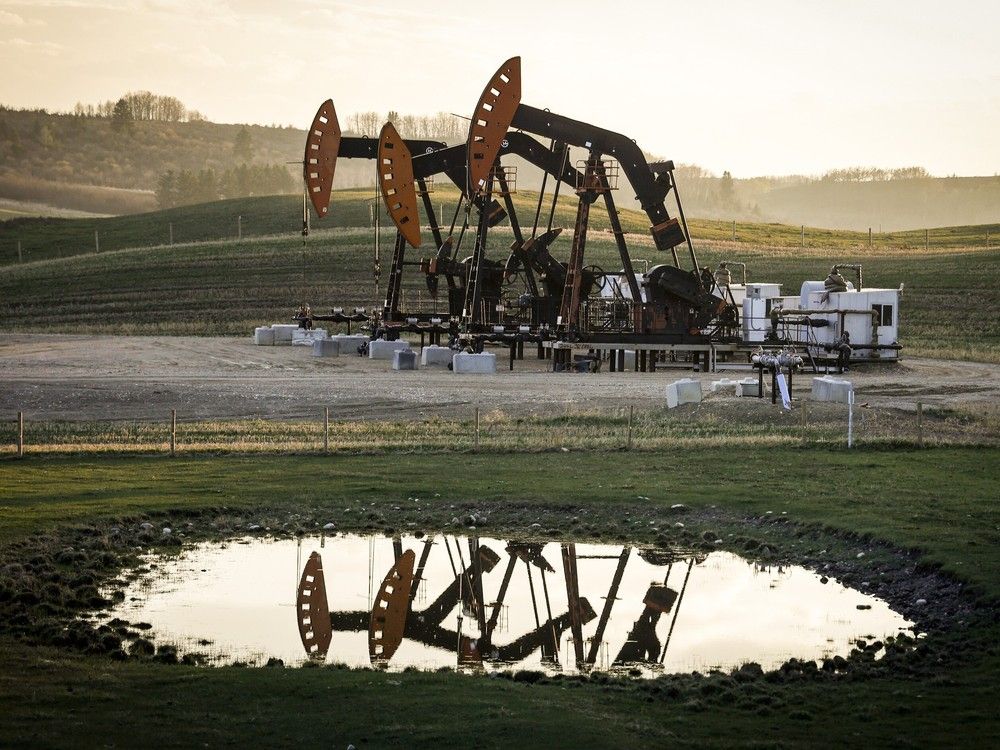
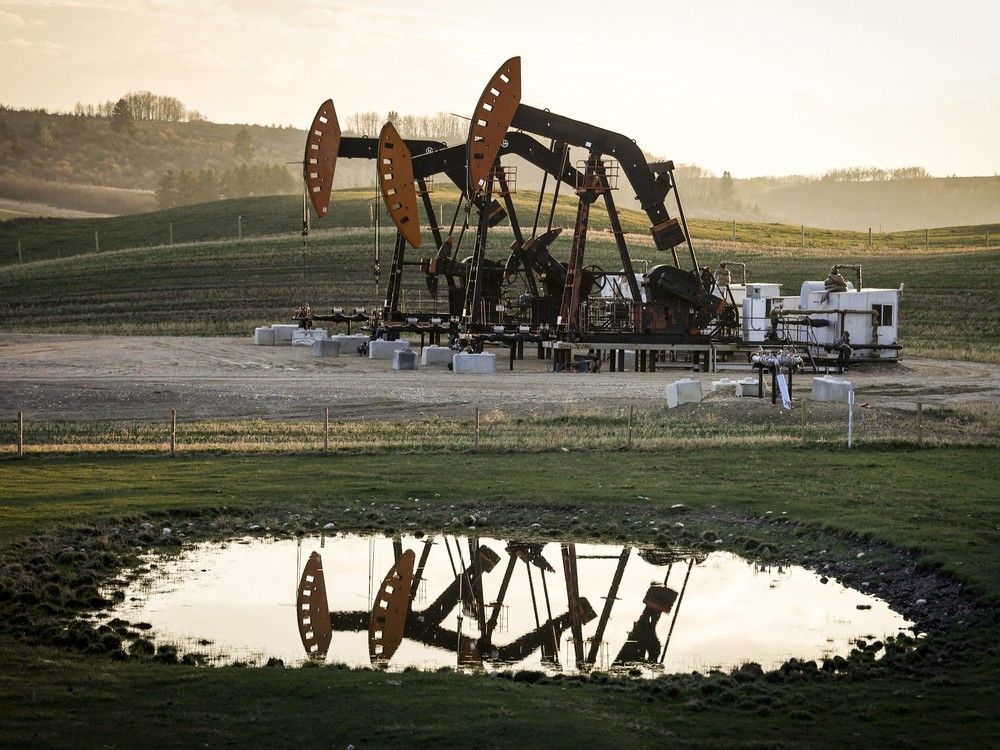
North American oil prices fell sharply on Monday after tensions between the United States and Iran appeared to ease, lowering the risks of reduced Middle Eastern supplies.
After roughly a month of growth, West Texas Intermediate oil, the North American benchmark, had fallen to just over US$62 a barrel late in the afternoon, down by almost five per cent.
“The U.S. and Iran are talking, and so that’s reducing fears in the market that the U.S. is going to intervene more aggressively in Iran,” Mark Parsons, chief economist of the Alberta bank ATB Financial, said in an interview. “I think that’s the main reason (for the decline).”
North American oil was up through January as the geopolitically sensitive oil market reacted to news in Venezuela and then in Iran. Just last week, North American prices had risen to their highest levels since July 2025.
Even after Monday’s drop, oil prices remain slightly higher than where they’ve been for much of the past few months. The recent sell-off could keep a lid on the costs of refuelling at the pump, though gasoline has risen in many parts of the country in recent weeks.
To understand the recent sell-off in oil, Charles St-Arnaud, chief economist with Servus Credit Union Ltd., said it’s important to understand why it rose in the first place, stressing how reactive oil markets are to geopolitics.
St-Arnaud said U.S. military action to remove Venezuelan leader Nicolás Maduro had fuelled concerns the Trump administration could also intervene in Iran when protests broke out against its sitting government.
The U.S. operation in Venezuela, St-Arnaud said, “increased the likelihood that something could happen in the Middle East region.”
“And we know how sensitive oil prices could be to disruption in the Middle East,” St-Arnaud added.
As the market grew wary of a potential bottleneck of supply from disruptions in the Middle East, oil prices rose.
With signs of a possible de-escalation in Iran, oil markets are now focused on the same worries they faced in December — expectations that global supplies will outstrip demand, putting downward pressure on prices.
Although geopolitics play an outsized role in oil price movements, St-Arnaud questioned whether anything had meaningfully changed to warrant the market reaction.
“The geopolitical risk has not really reduced dramatically, I feel,” St-Arnaud said, causing him to wonder whether the change in price was prompted by something else.
“I’m wondering how much of it is kind of some spillover effect from what we’ve seen in other commodity prices, especially precious metals on Friday,” he said.
Following a long rise in the value of precious metals since last summer, gold and silver fell nine and 27 per cent, respectively, on Friday, which makes St-Arnaud wonder if some investors got nervous about their commodity exposure, and chose to sell.
Parsons said there are potential secondary factors impacting oil prices, such as a weakening U.S. dollar, but that the situation in Iran is likely the biggest factor.
For the Alberta government, weak oil prices could create a big hole in the upcoming budget. According to last year’s budget sensitivity table, a sustained decrease throughout the year of just one dollar can lead to a $750 million loss in revenue for the province.
When the budget was released last year, it assumed a North American price of US$67.50 per barrel. In November, the province cut the assumption to US$61.50.
St-Arnaud said the price of oil means the province can still expect to see a significant deficit in the coming budget.
“We’re still kind of most likely going to have a deficit next year of $6.2 billion, maybe $6.4 billion for this fiscal year. So that’s kind of our starting point for going into 2026 if there’s no change,” St-Arnaud said. “So, the question is, where we go from here.”
Related
____________________________________________________________________
Search Articles
Recent Posts



Categories
Stay Updated
Get the latest articles delivered to your inbox.