Keith Gerein: Despite another grim city budget, Edmonton may be closer to ending its financial funk
Though it’s hard to see, there is a hint of sunlight glimmering behind what otherwise appears to be another gloomy
The biggest dark cloud on the way is obviously the proposed
for 2026, which comes on the heels of 5.7 per cent and 8.9 per cent increases, respectively, in the last two years.
That’s tough for households still struggling with affordability challenges, but also seems counterproductive to the city’s goal of g
rowing its tax base of industrial and commercial businesses
— many of whom have lots of options to simply cross the highway and set up shop in Acheson, Nisku and elsewhere.
Just as dreary, the increase doesn’t buy much more than the status quo.
Case in point, Edmonton police are set for a significant budget increase due to a locked-in funding formula tied to the city’s rapid population growth. But that’s mostly just to keep service levels stable.
The story is similar for infrastructure, with little to crow about beyond the major construction already in the works. The handful of new projects recommended in this budget are of the smaller-scale, decidedly unsexy variety — including a couple of new fire halls, demolition of the Argyll velodrome, and a new roof for the Rossdale power plant.
And oh yes, beyond the tax hikes, Edmontonians will also receive some small user fee increases — including, oddly enough, a new pet license fee for people who keep hens and bees. If we’re coming after the chickens for extra cash, that’s probably not a great indicator of prosperity.
So all in all, viewed through the lens of high costs and low volume of improvements, this appears to be another bleak budget on the table that will make the city less affordable.
Signs of life?
However, if you look a little deeper, there are some modest signs that city finances may be starting to come out of their post-pandemic funk. Maybe.
For one thing, after the city seemed to be on track to post its third straight annual deficit this year, administrators say they are now on course for a small surplus of $15.7 million.
City investments have been performing well, and increased revenue is coming in from franchise fees paid though utilities. Furthermore, various “structural imbalances” — accountant-speak for programs that have recurring problems meeting their budget — are starting to improve.
(Inadequate transit revenue is one of the biggest ongoing issues.)
All of that is good news generally, but it’s even better news for the financial stabilization reserve, more colloquially known as the city’s rainy day fund.
As you may have heard, the reserve is in a dangerously depleted state, well below its recommended minimum threshold, because it has been relied upon as a stop-gap for the city’s money woes in recent years.
The last council crafted a plan to restore the fund by 2029 using dedicated tax increases.
However, it now appears the restoration could be accomplished one year early — using a combination of this year’s surplus, a $12.5-million “special dividend” from the Ed Tel Endowment Fund, and the hope that the city at least breaks even the next three years.
If that works out, council could remove the reserve-dedicated tax from the books by 2028, or it could keep collecting that money for something else vital — creating a new fund to help address a massive list of maintenance projects.
More broadly, the crazy inflation and population growth of recent years is expected to calm down somewhat, while the record housing construction of late is now starting to generate property tax revenue. That should hopefully give the city at least a bit of room to begin catching its breath.
Keeping to the plan?
With all this in mind, the budget presents some interesting questions for the new city council, especially when it comes to that proposed 6.4 per cent tax hike.
City administrators were pretty clear with media last week that it is a struggle to meet even that figure, and that any attempt to go lower would probably require service reductions.
I’m not sure I entirely buy that. Either way, it would be good to see the number come down, at least a little, not just for struggling households but to assist the city’s need to become more competitive on economic development.
On the other side, council must be extremely judicious on any new spending, despite plenty of temptation.
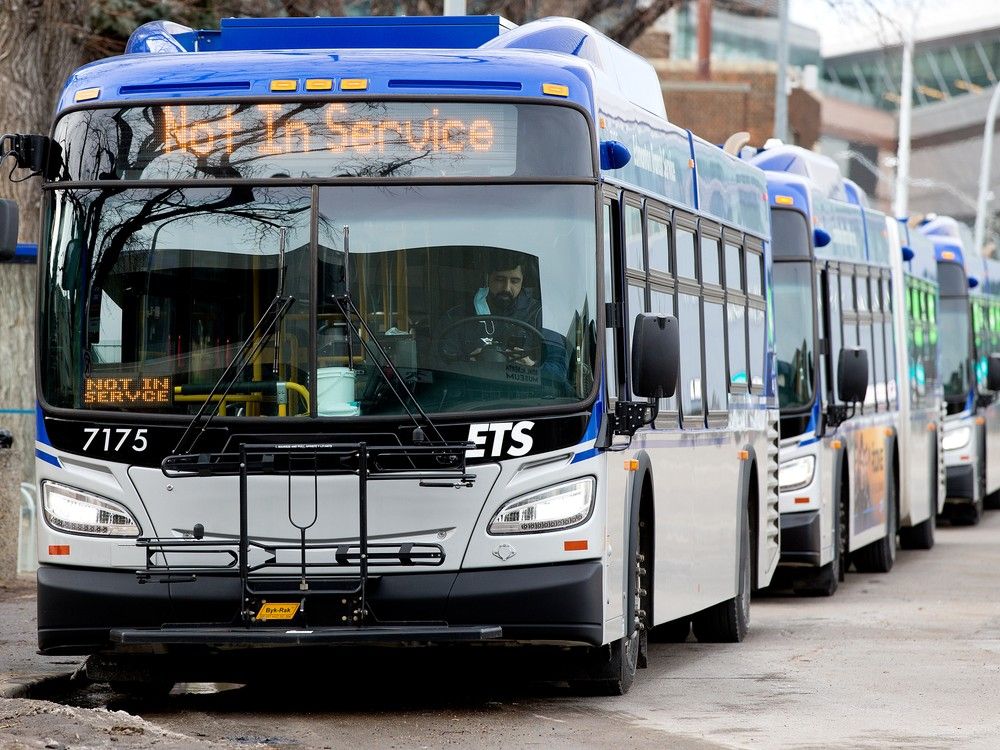
For example, the budget features no extra money to grow the bus fleet at a time of record ridership. Nor are there funds included for other arguably useful things like bolstering Explore Edmonton, widening certain roads, stabilizing disabled transit, and improving snow removal on pathways.
Politically speaking, if council members really want to fund these things — some of which may be justified — logic would say this is probably the time to do it when the next election is still four years away.
However, the last council got itself into trouble doing exactly that during its first budget back in 2021, adding expenses and debt that didn’t seem to recognize the broader financial precarity of the times. That came back to haunt them somewhat, which is hopefully a lesson that won’t be forgotten.
Moreover, it’s worth remembering the
has announced major infrastructure plans in the coming years, including money for municipalities on transit, roads, housing and so on. Some or all of those programs may require cities to put in matching funds, so it is important Edmonton leave itself some financial capacity to take advantage of those programs.
Lastly, while council has a lot of things to consider in getting the city back to financial health, the biggest threat of volatility on the horizon is a UCP government that is looking for distractions and didn’t exactly get the result it wanted in the civic election.
Recent comments by
Municipal Affairs Minister Dan Williams
suggest the possibility of a battle of wills ahead on financial policy. His latest
calls on him to limit property tax hikes, because apparently the province hasn’t yet
interfered in enough areas of municipal governance
.
No one knows yet how that might affect this city budget and tax plans, but it’s typically hard to feel any sunlight when someone with a chip on their shoulder insists on casting a big shadow.
Related
Bookmark our website and support our journalism:
Don’t miss the news you need to know — add
EdmontonJournal.com
and
EdmontonSun.com
to your bookmarks and
sign up for our newsletters here
.
You can also support our journalism by becoming a digital subscriber. Subscribers gain unlimited access to The Edmonton Journal, Edmonton Sun, National Post and 13 other Canadian news sites. Support us by subscribing today:
The Edmonton Journal
|
The Edmonton Sun
.
Search Articles
Recent Posts
Stay Updated
Get the latest articles delivered to your inbox.