Edmonton retailers favour the suburbs, CBRE report finds
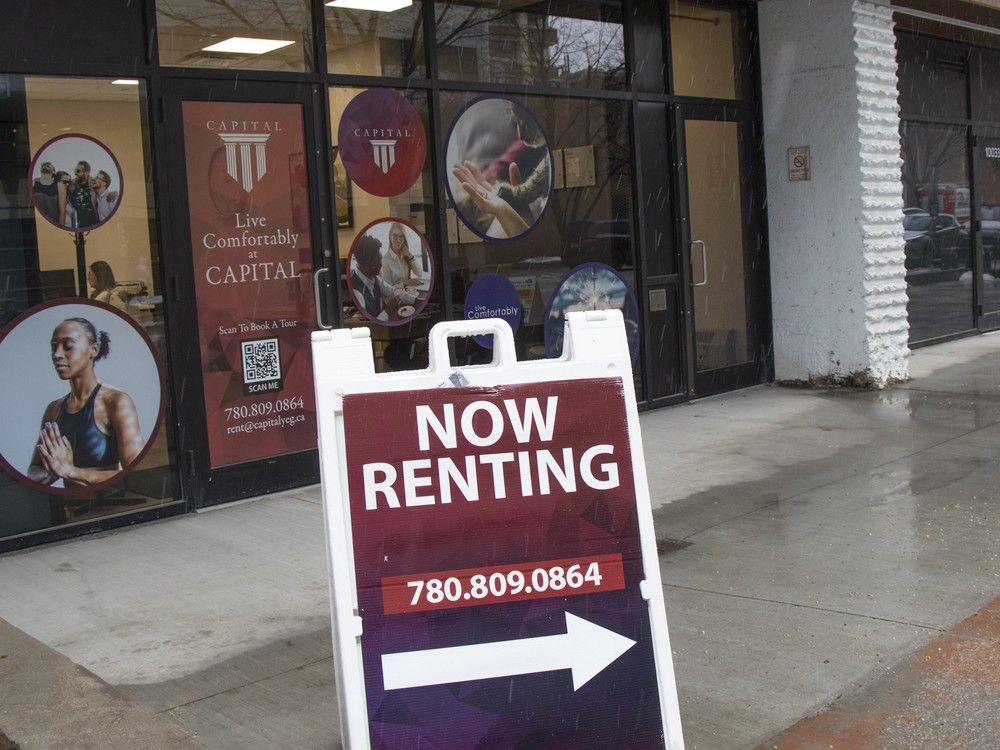
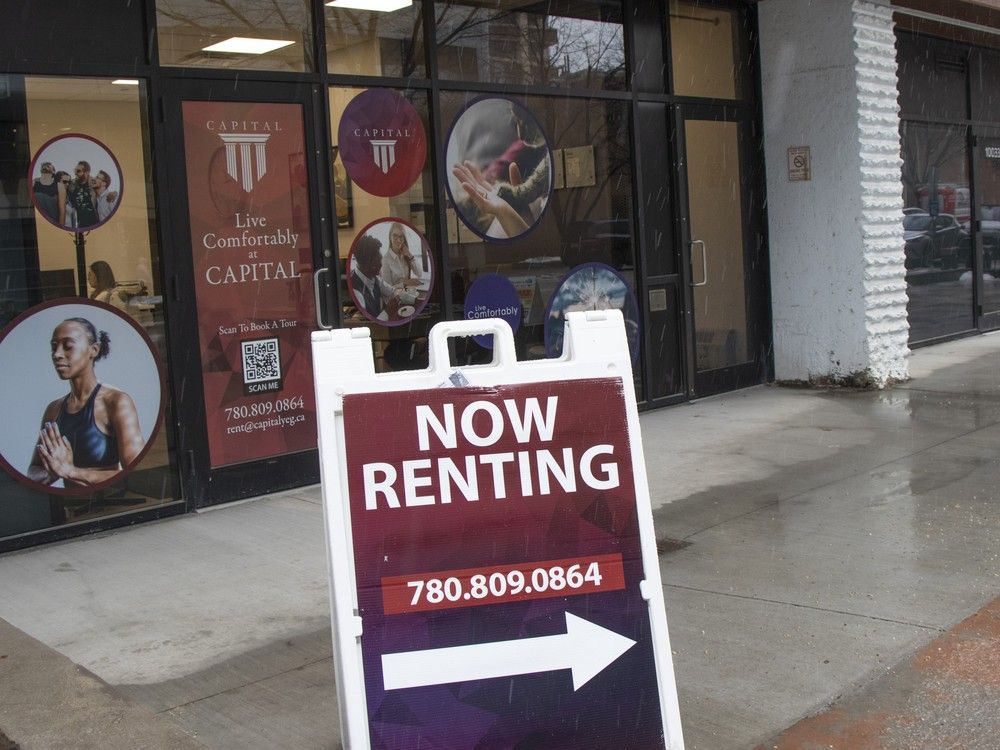
Edmonton’s retail rental market has been flipped on its head from times of old, offering space and low prices Downtown while outskirt communities have limited vacancies and steep prices.
Paul Messinger, professor of marketing at the University of Alberta, said the current state of the city’s retail rental market used to be a dream for entrepreneurs.
“Twenty-five years ago, if you could put something Downtown at rents that are lower than the perimeter of the city retailers, that’s what retailers would dream about. But the way our society has evolved is different now,” Messinger said.
Although the current retail rental market is a departure from the historical norm, it’s been this way for a little while in Edmonton.
In a recent national report, the CBRE commercial real estate group noted that in the second half of 2025, retail rents for regional malls declined over the past six months to $70 to $130 per square foot. But otherwise the city marked no changes across any other retail rent category.
The city’s overall retail vacancy rate sits at 5.6 per cent throughout the city, which experts consider relatively strong. Matthew Hanson, CBRE Edmonton sales associate, said the city’s overall vacancy rate hides a distinct dichotomy between two Edmonton retail realities.
“Edmonton is a bit of a tale of two cities here in the fact that the suburbs are quite different than what the downtown core is,” Hanson said.
“Our suburbs are very strong. They do very well. Lots of tenants want to open there, lots of rooftops around them, lots of people around them, and that helps to push good business, quite frankly” he said.
But the same can’t be said for Downtown, according to Hanson.
“We have very few people Downtown in the grand scheme of things, and thus we don’t have a whole lot of tenants.”
The explanation for the change in retail rent circumstances in Edmonton is what you might expect. Remote work had been steadily rising in popularity over the past 10 years, according to Messinger, but hit its peak during the COVID-19 pandemic. As folks converted to remote work, offices and businesses vacated the downtown core and it has struggled to bounce back since.
Hanson said suburban retail rental vacancy is low. Especially in the city’s west end, where the vacancy is just over one per cent. Conversely, central Edmonton, which includes Downtown, has a retail vacancy rate of nearly 15 per cent, which has driven down the price of some retail spaces.
One notable piece of property adding thousands of empty square feet of retail space is Edmonton City Centre mall, which went into receivership last year. Hanson said the space is filled with opportunity, but it comes at a high cost.
“That’s a massive amount of space right in the Downtown core, right beside the Ice District. I want to say possibilities are endless to some extent. But I mean that also revolves around somebody or a group that wants to spend a lot of money, because a lot of money needs to be spent,” Hanson said.
The rent itself might be discounted, but there’s other expenses to upgrade the mall space for newer tenants. Hanson said there are groups that have been looking at the mall, but no deals have been struck yet.
To revisit Messinger’s initial point, the fact that there’s an enormous empty mall in the middle of Downtown and other vacant retail spaces scattered throughout Downtown, offering lower rent retail options is historically uncommon.
When teaching his retail class at the U of A, Messinger said plenty of students still pitch putting a business Downtown. With its relatively affordable rent, Messinger likes the idea, but he stressed the importance of ensuring that the businesses that the students want to put Downtown have a specific reason to be there, which he said is critical to the future of all retail.
This assertion comes from having to compete with e-commerce that gives consumers access to virtually any product online.
“If you’re going to do in-store retailing, often what’s called ‘bricks and mortar’ retailing, you have to have a reason why a person needs to be there physically, rather than just ordering online,” Messinger said.
“If you can create an experience, something that enhances what (the customers are) doing when they’re shopping, that will attract people, and you’re taking advantage of the in-person element,” he said.
But even if retail doesn’t return to Downtown Edmonton like it once was, Messinger suggested that it might not necessarily be a bad thing. It could create opportunities for a different version of Downtown.
“If some of the office spaces are converted to residential, then you’re going to have greater density of people Downtown, and then it’s going to also attract more retailing. But the transition from office space to residential space takes time,” Messinger said.
“So we’re describing this as something that’s a bad thing. In the short term, it is a bad thing. But in the long term, it’s an adjustment to a new way that cities are going to develop.”
The future of that adjustment isn’t exactly clear, but one thing that Messinger and Hanson shared was that any positive outcome for Downtown requires more people to be down there. Whether that comes from businesses or residents remains to be seen.
Related
Search Articles
Recent Posts



Categories
Stay Updated
Get the latest articles delivered to your inbox.