Alberta’s oilpatch cut 10,000 jobs last year — even as production soared
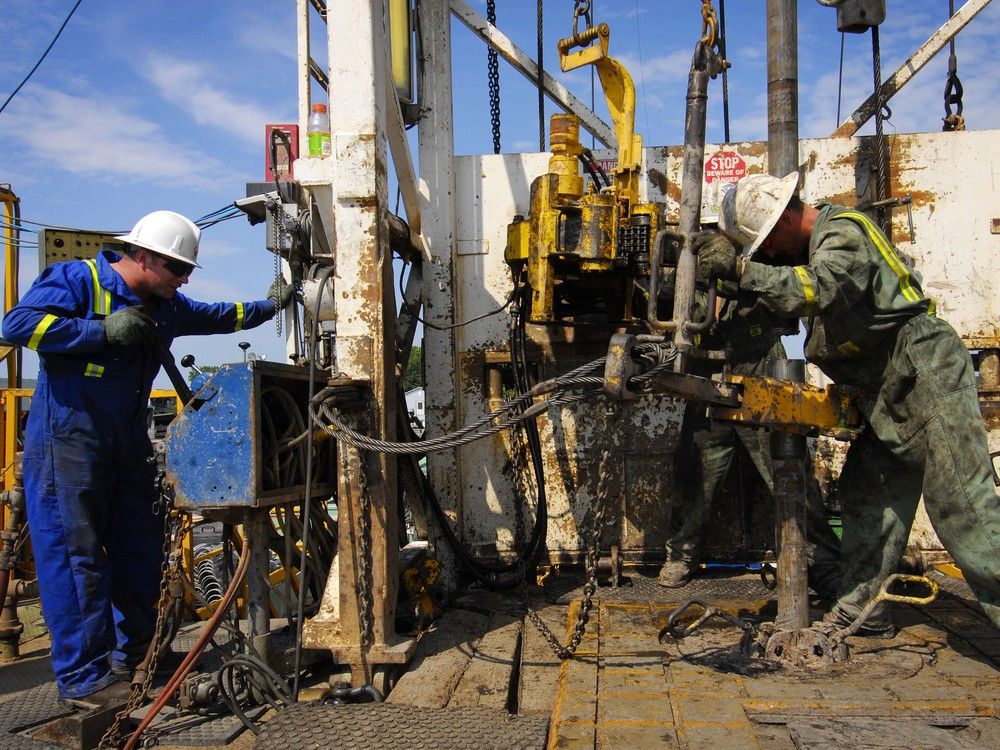
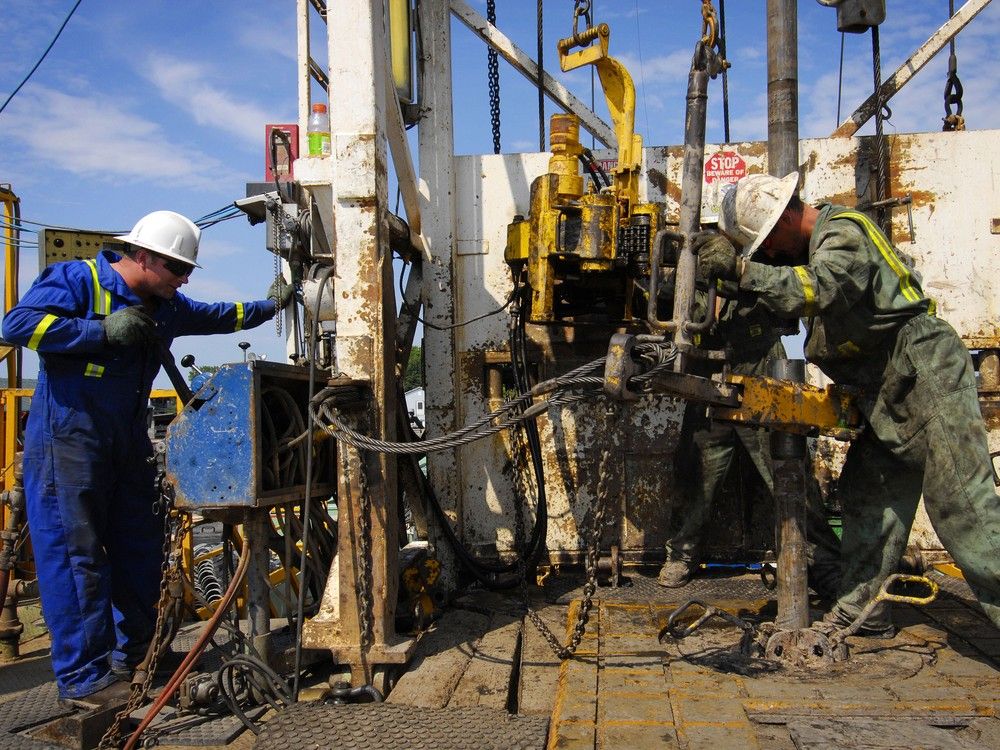
Alberta’s oil and gas industry cut about 10,000 jobs last year, but economists say something surprising about the loss — it may not be a terrible thing.
Even with fewer people, the oilpatch is producing close to seven times more oil and gas than it did in comparable years.
“The industry is finding ways to do more with less,” Mark Parsons, the chief economist at ATB Financial, said in an interview.
Recent Statistics Canada
shows that despite tariffs, a swelling population and record-level youth unemployment halfway through the year, Alberta’s labour market landed on its feet in 2025.
Employment was up 2.4 per cent — outstripping the national average — even while Alberta took in more new residents than any other province.
“It’s a good thing that we were able to get that type of employment growth, because at the same time, we had strong population growth,” Parsons said. “A challenge in Alberta has been keeping up with the population — creating enough jobs to accommodate all the people who are looking for work.”
But even there, he said the province is making up ground as the population growth in Alberta slows, bringing the unemployment rate down to a forecasted 6.5 per cent in 2026.
An outlier in what would otherwise be a rosy job outlook to close out 2025 was the 10,000 jobs lost in Alberta’s oil and gas industry, with employment dropping to 140,200 workers by the end of last year.
Joseph Marchand, the founding director of the Alberta Centre for Labour Market Research at the University of Alberta, said the oil and gas numbers surprised him initially, saying it sounded “like a hell of a lot.”
“In 2025, the Government of Alberta has kept the oil and gas sector in the headlines, talking about this pipeline and this MOU with the Carney government. So, with all that going on in 2025 you would hope to have not seen a decline in the industry,” Marchand said.
“That said, the (employment) levels still kind of match where we were at in terms of overall employment levels in the sector in Alberta, back in kind of the mid-2000s.”
While a decline of 10,000 jobs represents loss of income for Albertans, the sector has employed an average of about 144,000 oil and gas workers per year for the past 20 years. In this context, the 2025 cuts are closer to the average than it may seem.
According to
, Alberta has employed an average of 144,185 oil and gas workers per year since 2005.
The boom in 2014 led to a hiring spree, with employment topping 172,000 people. But the price of oil back then was routinely more than US$90 a barrel, which Parsons said plays an important role in hiring and other investment decisions.
“We had a significant decline in WTI oil prices and, combine that with ongoing cost reductions and consolidation in the sector, it’s keeping oil and gas employment on a lower track than it was during the heydays of 2020 and 2014,” Parsons said.
But just because there are fewer workers in the field, it doesn’t mean the Alberta oil and gas sector isn’t humming along.
Going back to StatCan, 2011 offers a strong comparison because the industry employed 144,200 workers at the time, roughly in line with employment numbers in 2025.
Alberta oil production has roughly doubled since 2011.
So, even though the province is at similar levels of employment in the oil and gas industry as the mid-2000s, the output outstrips that period by a landslide.
Parsons said the expanded Trans Mountain pipeline plays a big role in the province’s strong output, but the sector also continues to find efficiencies.
“You are seeing among existing operators, improvements through automation. You have the driverless trucks in the oilsands now is one example where they’re finding ways to do more with less,” Parsons said.
“However, at some point, if you’re ramping up production by a million barrels per day (to fill a new pipeline), you’re going to need the investment and corresponding increase in employment,” he added.
Although the province can punch above its weight in output right now, Parsons said the industry would likely need more workers to bring production much higher.
ATB expects investments in oil and gas to remain flat in 2026, but that any developments toward a new pipeline could bring investment and more jobs back to the sector.
Related
(Editor’s note: This story has been updated to reflect how Alberta’s oil production has changed since 2011.)
Search Articles
Recent Posts
Stay Updated
Get the latest articles delivered to your inbox.